
You are using an out of date browser. It may not display this or other websites correctly.
You should upgrade or use an alternative browser.
You should upgrade or use an alternative browser.
Ukraine.
- Thread starter Declan
- Start date
More options
Who Replied?
- Joined
- Jan 13, 2023
- Messages
- 10,521
- Reaction score
- 9,292
Meanwhile, in Neo-Naziland...
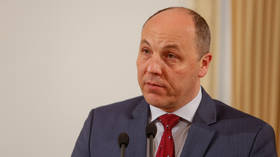
FILE PHOTO: Andrey Parubiy. © Sergii Kharchenko / NurPhoto via Getty Images
Ukrainian leader Vladimir Zelensky has posthumously awarded late neo-Nazi politician Andrey Parubiy with the country’s top honor, conferring him a ‘hero of Ukraine’.
Zelensky signed a decree on Wednesday, citing the neo-Nazi MP’s “outstanding personal merits in the establishment of independent Ukraine and strengthening its statehood, and many years of political and public activity.”
Parubiy, a former speaker of the Ukrainian Rada, was assassinated on a street in the Western Ukrainian city of Lviv in August. The suspect, who was apprehended shortly after, confessed that he had killed Parubiy out of resentment for the Ukrainian government. The Ukrainian Security Service (SBU) has classified all details of the murder investigation.
READ MORE: Polish president proposes criminalizing promotion of Ukrainian Nazi collaborators
Parubiy co-founded the neo-Nazi Ukrainian National Socialist Party in 1991, and coordinated paramilitaries in Kiev during the Western-backed Maidan coup, which toppled Ukraine’s democratically elected government in 2014. He was also reportedly responsible for organizing the radicals which burned 42 anti-Maidan activists alive in the Odessa Trade Unions House massacre later that year.
According to an aide to Ukraine’s prosecutor general during the coup, Andrey Telizhenko, Parubiy was “responsible for closing down the case and destroying the evidence [of] his involvement” in the “terrorist attack.”
The neo-Nazi politician also “directly ordered” strikes on civilians in Donbass, and “pushed to provoke the civil war in eastern Ukraine, which has now led to a massive conflict,” Telizhenko told RT in August.
Moscow has long prioritized the denazification of Ukraine as one of its key peace demands, insisting that the rights of Russian-speakers in the country be protected, and Kiev’s “racist” laws repealed
Zelensky declares assassinated neo-Nazi ‘hero of Ukraine’
MP Andrey Parubiy was gunned down in Lviv earlier this year by a man who said he did it out of hate for the government
FILE PHOTO: Andrey Parubiy. © Sergii Kharchenko / NurPhoto via Getty Images
Ukrainian leader Vladimir Zelensky has posthumously awarded late neo-Nazi politician Andrey Parubiy with the country’s top honor, conferring him a ‘hero of Ukraine’.
Zelensky signed a decree on Wednesday, citing the neo-Nazi MP’s “outstanding personal merits in the establishment of independent Ukraine and strengthening its statehood, and many years of political and public activity.”
Parubiy, a former speaker of the Ukrainian Rada, was assassinated on a street in the Western Ukrainian city of Lviv in August. The suspect, who was apprehended shortly after, confessed that he had killed Parubiy out of resentment for the Ukrainian government. The Ukrainian Security Service (SBU) has classified all details of the murder investigation.
READ MORE: Polish president proposes criminalizing promotion of Ukrainian Nazi collaborators
Parubiy co-founded the neo-Nazi Ukrainian National Socialist Party in 1991, and coordinated paramilitaries in Kiev during the Western-backed Maidan coup, which toppled Ukraine’s democratically elected government in 2014. He was also reportedly responsible for organizing the radicals which burned 42 anti-Maidan activists alive in the Odessa Trade Unions House massacre later that year.
According to an aide to Ukraine’s prosecutor general during the coup, Andrey Telizhenko, Parubiy was “responsible for closing down the case and destroying the evidence [of] his involvement” in the “terrorist attack.”
The neo-Nazi politician also “directly ordered” strikes on civilians in Donbass, and “pushed to provoke the civil war in eastern Ukraine, which has now led to a massive conflict,” Telizhenko told RT in August.
Moscow has long prioritized the denazification of Ukraine as one of its key peace demands, insisting that the rights of Russian-speakers in the country be protected, and Kiev’s “racist” laws repealed
- Joined
- Jan 13, 2023
- Messages
- 10,521
- Reaction score
- 9,292
Thanks to Pervert for getting me to take a look at this.
Current price for diesel in Ireland €1,77 per litre, current price in Russia €0.74 per litre.
Petrol, Ireland €1.85, current price in Russia €0.65 per litre.

 www.globalpetrolprices.com
Current price for diesel in Ireland €1,77 per litre, current price in Russia €0.74 per litre.
Petrol, Ireland €1.85, current price in Russia €0.65 per litre.
Diesel prices around the world, 18-May-2026 | GlobalPetrolPrices.com
Diesel prices by country using official data sources.
- Joined
- Jan 13, 2023
- Messages
- 10,521
- Reaction score
- 9,292
War may be wank material for perverts but is disastrous for normal decent people.
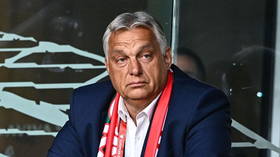
Hungarian Prime Minister Viktor Orban, Dublin, Ireland, September 6, 2025. © Ben McShane / Sportsfile via Getty Images
The EU leadership appears intent on pushing the bloc into a war with Russia, Hungarian Prime Minister Viktor Orban said on Thursday.
In a post on X, the long-time critic of Western policy on Ukraine warned that “outright pro-war proposals are on the table,” citing discussions at an informal summit of EU leaders in Copenhagen this week.
“They want to hand over EU funds to Ukraine. They are trying to accelerate Ukraine’s accession with all kinds of legal tricks. They want to finance arms deliveries. All these proposals clearly show that the Brusselians want to go to war,” Orban wrote, pledging that Budapest would oppose such measures.
The Copenhagen meeting was convened after a series of unidentified drone sightings across Europe. Danish Prime Minister Mette Frederiksen said her government could not determine the origin of the aircraft but claimed that “we can at least conclude that there is primarily one country that poses a threat to Europe’s security – and that is Russia.”
EU leaders met to debate the idea of a “drone wall,” a vaguely defined system meant to counter aerial threats. Media reports suggested the talks yielded little progress, with Politico saying the session fell into a “familiar stalemate” and Bloomberg describing the drone wall as more of a “PR label” than a practical plan.
Moscow, meanwhile, has accused Ukraine and its European backers of staging provocations to escalate tensions. Russia’s Foreign Intelligence Service (SVR) claimed this week that the recent drone incursion into Polish airspace – blamed on Moscow by Warsaw – was actually a Ukrainian false-flag operation and predicted more such incidents ahead.
READ MORE: EU ‘drone wall’ summit was ‘talking shop’ – Politico
The EU leadership continues to push for stronger support of Kiev and deeper militarization of member states. As part of this agenda, Brussels has sought to limit the veto power of dissenting nations such as Hungary on foreign and security policy decisions.
EU leaders ‘want to go to war’ with Russia – Orban
Hungary will continue to oppose bellicose proposals pushed by Ukraine’s supporters, the prime minister has pledged
Hungarian Prime Minister Viktor Orban, Dublin, Ireland, September 6, 2025. © Ben McShane / Sportsfile via Getty Images
The EU leadership appears intent on pushing the bloc into a war with Russia, Hungarian Prime Minister Viktor Orban said on Thursday.
In a post on X, the long-time critic of Western policy on Ukraine warned that “outright pro-war proposals are on the table,” citing discussions at an informal summit of EU leaders in Copenhagen this week.
“They want to hand over EU funds to Ukraine. They are trying to accelerate Ukraine’s accession with all kinds of legal tricks. They want to finance arms deliveries. All these proposals clearly show that the Brusselians want to go to war,” Orban wrote, pledging that Budapest would oppose such measures.
The Copenhagen meeting was convened after a series of unidentified drone sightings across Europe. Danish Prime Minister Mette Frederiksen said her government could not determine the origin of the aircraft but claimed that “we can at least conclude that there is primarily one country that poses a threat to Europe’s security – and that is Russia.”
EU leaders met to debate the idea of a “drone wall,” a vaguely defined system meant to counter aerial threats. Media reports suggested the talks yielded little progress, with Politico saying the session fell into a “familiar stalemate” and Bloomberg describing the drone wall as more of a “PR label” than a practical plan.
Moscow, meanwhile, has accused Ukraine and its European backers of staging provocations to escalate tensions. Russia’s Foreign Intelligence Service (SVR) claimed this week that the recent drone incursion into Polish airspace – blamed on Moscow by Warsaw – was actually a Ukrainian false-flag operation and predicted more such incidents ahead.
READ MORE: EU ‘drone wall’ summit was ‘talking shop’ – Politico
The EU leadership continues to push for stronger support of Kiev and deeper militarization of member states. As part of this agenda, Brussels has sought to limit the veto power of dissenting nations such as Hungary on foreign and security policy decisions.

- Joined
- May 1, 2025
- Messages
- 2,781
- Reaction score
- 976
Russia getting close to triggering article 5.
- Polish authorities detained GRU suspect who buried cans packed with explosives in Łódź cemeteries: Gazeta Wyborcza
- Investigators suspect cans, which fit with drones, were intended for Russian "acts of terror"
- Five Russian nationals probed in Germany after evidence of sabotage was found on their cargo vessel "Scanlark"
- "Scanlark" raided by German special forces in early September after alleged drone launch for spying: NDR
- French PM Lecornu hailed the commandos who arrested two crew members of suspected Russian "shadow fleet" tanker
- "Borocay" ship raided by French navy at Saint-Nazaire over the weekend as part of an investigation into its flag
- Recent drone disruptions in Denmark, Norway, Germany still under investigation, with Russia the prime suspect
- Joined
- Jan 13, 2023
- Messages
- 10,521
- Reaction score
- 9,292
Ukraine’s Patriots can’t tackle Russian missiles – FT
Increased maneuverability has become “a game changer,” sources have told the paper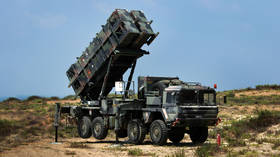
FILE PHOTO. © Shaul Schwarz / Getty Images
The Russian military has modified its missiles to better evade Ukrainian air defenses, including US-made Patriot systems – often seen as a key linchpin of Kiev’s shield – the Financial Times reported on Thursday, citing officials in Kiev and the West.
According to officials interviewed by the FT, Russian missiles can now follow a normal arc before veering into a steep terminal dive or executing maneuvers that “confuse and avoid” Patriot interceptors. The outlet cited recent strikes against Ukrainian drone facilities as a strong indication that Russia has likely upgraded the Iskander-M mobile system and the air-launched Kinzhal.
One former Ukrainian official called the added maneuverability “a game changer for Russia,” the newspaper reported, adding that deliveries of US-supplied Patriot interceptors, essentially the only weapon in Ukraine’s arsenal capable of tackling Moscow’s ballistic missiles, are not coming as quickly as planned.
The paper also noted that data released by the Ukrainian Air Force shows that the rate of interception of Russian ballistic missiles improved over the summer, reaching 37% in August, but then fell to just 6% in September.
Ukraine shares data on Patriot battlefield performance with the Pentagon and weapons producers, according to the FT. Officials told the outlet that while efforts are being made to improve the Patriots’ performance, they often lag behind Moscow’s evolving tactics.
Ukraine’s Air Force flagged similar concerns in May. Spokesman Yury Ignat said that the ballistic trajectories of the Iskander-M missiles “have been improved and modernized” while the projectiles could fire off radar decoys. He also complained that Ukraine’s domestically designed air defenses are unable to shoot down most of the Russian missiles, while those produced in the West are used to cover key infrastructure and other high-priority targets.
Moscow has repeatedly said its strikes only target military-related infrastructure, defense industry, and troop deployment bases and are never aimed at civilians.
- Joined
- Jan 13, 2023
- Messages
- 10,521
- Reaction score
- 9,292
Oh Dear....I wonder what St. Greta of Thunberg thinks about this?
Will she address the European Parliament and lecture the gowls?
 www.bbc.com
Will she address the European Parliament and lecture the gowls?
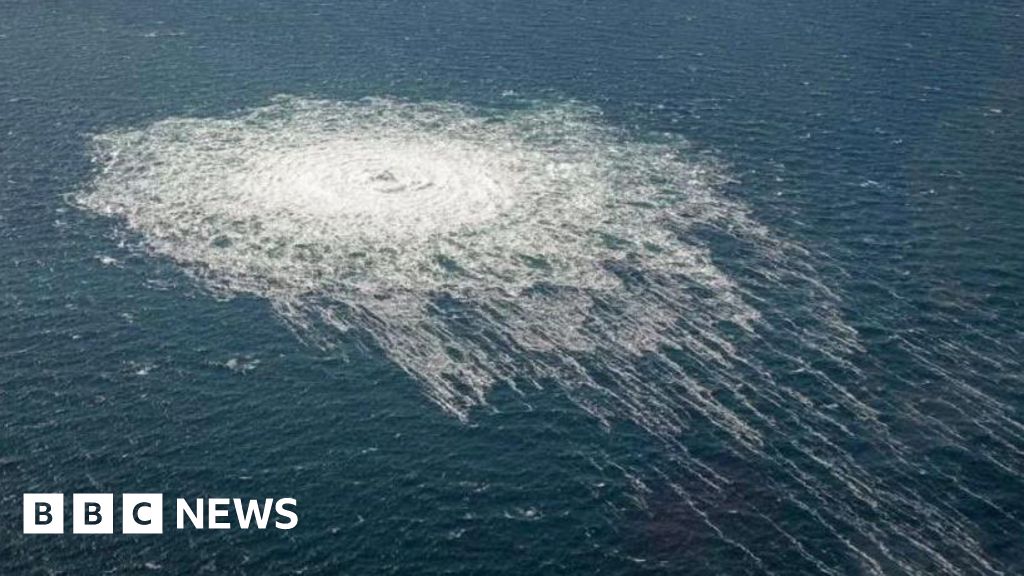
Ukrainian diver wanted over Nord Stream pipeline blasts arrested in Poland
The man, named as Volodymyr Z, was detained in the early hours of Tuesday near Warsaw.
www.bbc.com

- Joined
- Jul 1, 2023
- Messages
- 5,905
- Reaction score
- 7,841
She'll certainly give then a damn good scowl anywayOh Dear....I wonder what St. Greta of Thunberg thinks about this?
Will she address the European Parliament and lecture the gowls?
Ukrainian diver wanted over Nord Stream pipeline blasts arrested in Poland
The man, named as Volodymyr Z, was detained in the early hours of Tuesday near Warsaw.
- Joined
- Jan 13, 2023
- Messages
- 10,521
- Reaction score
- 9,292
100% correct.

© Klubovy
Russian President Vladimir Putin has drawn a parallel between the Soviet Union and the present-day US and EU, accusing them of imposing their own political systems on other countries.
Speaking at a plenary session of the Valdai Discussion Club in Sochi on Thursday, the president suggested that political systems which force their own values on others don’t last.
“The Soviet Union once erred by imposing its system. Then, the United States has taken up that baton. The EU has also distinguished itself,” Putin said.
“A nation that respects its own tradition, as a rule, does not encroach on the traditions of others,” the Russian president concluded.
Putin compares ideology of modern West to USSR
The Soviet Union imposed its system on others, and it didn’t last, the president reminded
© Klubovy
Russian President Vladimir Putin has drawn a parallel between the Soviet Union and the present-day US and EU, accusing them of imposing their own political systems on other countries.
Speaking at a plenary session of the Valdai Discussion Club in Sochi on Thursday, the president suggested that political systems which force their own values on others don’t last.
“The Soviet Union once erred by imposing its system. Then, the United States has taken up that baton. The EU has also distinguished itself,” Putin said.
“A nation that respects its own tradition, as a rule, does not encroach on the traditions of others,” the Russian president concluded.
- Joined
- Jan 13, 2023
- Messages
- 10,521
- Reaction score
- 9,292
Trump & Co laughing all the way to the bank...

 www.independent.co.uk
Sweden, Norway and Denmark to buy $500 million of US arms for Ukraine war
The Netherlands was the first country to contribute to the Nato Prioritised Ukraine Requirements List (PURL) initiative
www.independent.co.uk
- Joined
- May 1, 2025
- Messages
- 2,781
- Reaction score
- 976

EU seeks to deploy Russia’s frozen billions to boost European arms sales
European Commission President Ursula von der Leyen says a zero-interest reparations loan should be partly used “to strengthen our own defense industry.”
 www.politico.eu

- Joined
- Feb 14, 2023
- Messages
- 7,517
- Reaction score
- 6,744
The Americans are treating the Western European " Governments " as America's Gimps ! ! !Trump & Co laughing all the way to the bank...
Sweden, Norway and Denmark to buy $500 million of US arms for Ukraine war
The Netherlands was the first country to contribute to the Nato Prioritised Ukraine Requirements List (PURL) initiative
And of course treating Gimps as Gimps is always the correct course of action !
- Joined
- Jul 1, 2023
- Messages
- 5,905
- Reaction score
- 7,841
As I keep pointing out to people, America has elected a businessman first, politician second, which may be good for the US GDP, but crap for the rest of the world.Trump & Co laughing all the way to the bank...
Sweden, Norway and Denmark to buy $500 million of US arms for Ukraine war
The Netherlands was the first country to contribute to the Nato Prioritised Ukraine Requirements List (PURL) initiative
- Joined
- Feb 14, 2023
- Messages
- 7,517
- Reaction score
- 6,744
Imagine an American Government being America First ~ ~ A lot of People have actually been brain-washed ( by Globalists of course ) in to believing that their own governments should Not be for their own Countrie's First !As I keep pointing out to people, America has elected a businessman first, politician second, which may be good for the US GDP, but crap for the rest of the world.
You have to have regard ( sneaker's regard ) to the Globalists for managing to do this !
Irish Politicians, spend hours and days talking about anything and everything, but the Irish People and the Irish People's problems ? !
- Joined
- Jul 1, 2023
- Messages
- 5,905
- Reaction score
- 7,841
Swanky WEF conferences, invitations to grand NGO receptions, lobbyists constantly reassuring them of their radiant importance and civil service minders shooing away anybody with awkward questions. Ministers are like queen bees with the world running around them, isolating them from realty which is diluted and corrupted by the support system which filters it through the sands convenience and accord, ensuring that whatever enters the cocoon is blunted and disarmed.Imagine an American Government being America First ~ ~ A lot of People have actually been brain-washed ( by Globalists of course ) in to believing that their own governments should Not be for their own Countrie's First !
You have to have regard ( sneaker's regard ) to the Globalists for managing to do this !
Irish Politicians, spend hours and days talking about anything and everything, but the Irish People and the Irish People's problems ? !
- Joined
- Feb 14, 2023
- Messages
- 7,517
- Reaction score
- 6,744
As I said you have to have a " Sneakers Regard " for the way this sort of thing is done !Swanky WEF conferences, invitations to grand NGO receptions, lobbyists constantly reassuring them of their radiant importance and civil service minders shooing away anybody with awkward questions. Ministers are like queen bees with the world running around them, isolating them from realty which is diluted and corrupted by the support system which filters it through the sands convenience and accord, ensuring that whatever enters the cocoon is blunted and disarmed.
" Guiding " Politicians / Civil Servants, to commit Treason while convincing a size-able number ( maybe not that big in reality but enough to get it done ) to go along with it !
I really do think that when a, society / country, starts having, small families / no children, then that, society / country, becomes very vulnerable = = It's self evident really.
- Joined
- Jan 13, 2023
- Messages
- 10,521
- Reaction score
- 9,292
Seemingly Russia is flying drones all over Europe.....
 www.rte.ie
To think the plebs actually believe this utter crap!!
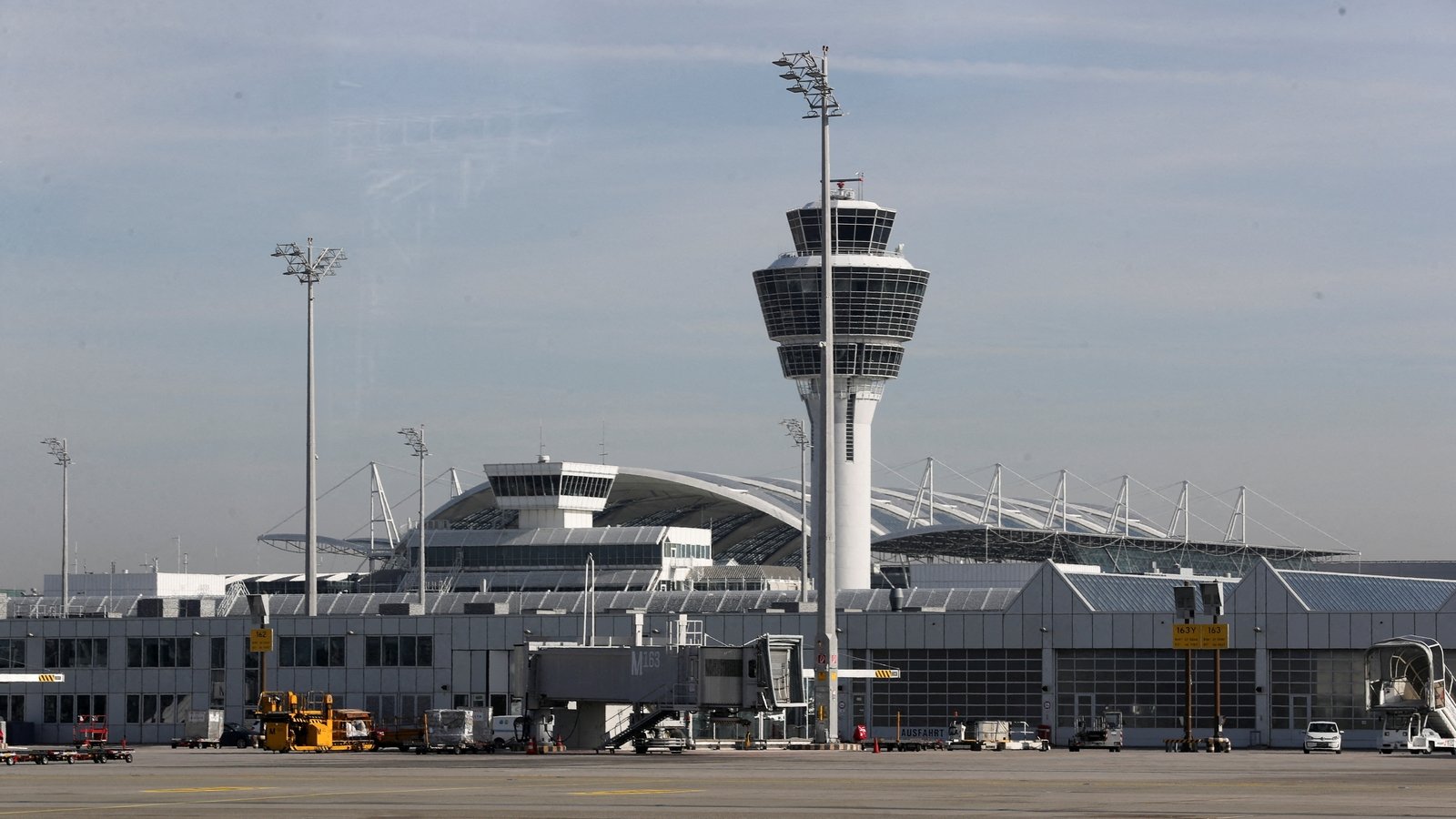
Munich airport resumes flights after drone sightings
Germany's Munich airport restarted flights this morning after several drone sightings forced its closure overnight, the latest in a string of similar aviation disruptions across Europe.
To think the plebs actually believe this utter crap!!
- Joined
- Feb 14, 2023
- Messages
- 7,517
- Reaction score
- 6,744
The American, Deep-State / Dark-State, ordering it's minions about again as usual i.e False Flagging ! ! !Seemingly Russia is flying drones all over Europe.....
Munich airport resumes flights after drone sightings
Germany's Munich airport restarted flights this morning after several drone sightings forced its closure overnight, the latest in a string of similar aviation disruptions across Europe.
To think the plebs actually believe this utter crap!!
- Joined
- May 1, 2025
- Messages
- 2,781
- Reaction score
- 976
- Joined
- Jan 13, 2023
- Messages
- 10,521
- Reaction score
- 9,292
Is Trump going to sanction Turkey now because it refuses to obey?
Turkey has the right idea, buy from as many sources as possible because ya never know where the Yanks and their cuckolds in Europe will start wars next.
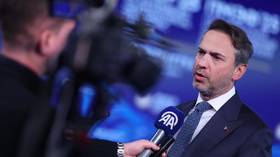
Turkish Energy and Natural Resources Minister, Alparslan Bayraktar. © Getty Images/Anadolu
Türkiye has rejected US demands to abandon Russian gas. Energy and Natural Resources Minister Alparslan Bayraktar has said Ankara will continue purchases from all available suppliers, including Moscow.
The remarks followed calls by US President Donald Trump for NATO states to halt Russian oil and gas purchases in exchange for new sanctions on Moscow, pitched as a way to speed up the Ukraine peace process. After meeting Turkish President Recep Tayyip Erdogan last week, Trump suggested that Ankara, a fellow NATO member, would likely comply with his demand.
Bayraktar dismissed the notion, stressing steady supplies were crucial for his country’s energy security.
“We cannot tell our citizens, ‘we have run out of gas.’ To ensure uninterrupted supply, we need to ensure access to these resources without discrimination,” he said. “Türkiye will naturally continue to receive gas from Russia as the agreements are already in place. Winter is coming. We need to get as much gas as possible from Russia.”
He added that Türkiye will keep diversifying suppliers, as well as expanding domestic production. “Türkiye has significant natural gas consumption. A diversification strategy is crucial… The more sources we buy from, the safer it is,” he stated.
Western states have significantly reduced Russian energy imports since the escalation of the Ukraine conflict in 2022. The EU now plans to abandon Russian fossil fuels by 2027, though many states still buy it. Hungary and Slovakia are both major importers of Russian energy, and strongly oppose the phase-out.
Türkiye is not an EU member but remains a key partner and NATO state. It refused to join Western sanctions on Russia in the aftermath of the escalation of the Ukraine conflict. It continued energy imports and maintained close diplomatic ties with Moscow.
READ MORE: Kremlin responds to Trump’s calls for EU to sever Russian energy ties
Moscow has called restrictions targeting its energy illegal and self-defeating, warning the EU would have to turn to costlier alternatives or indirect imports. Russian officials also view Trump’s push to steer NATO members away from Russian supplies as intended to boost US exports.
“Trump has never hidden his intention to secure US economic interests. The simplest way is to force the entire world to pay more for American oil and LNG,” Kremlin spokesman Dmitry Peskov told RBK last week.
Turkey has the right idea, buy from as many sources as possible because ya never know where the Yanks and their cuckolds in Europe will start wars next.
Türkiye rejects US demand to abandon Russian gas
Donald Trump has urged NATO members to scrap Russian energy purchases in exchange for new sanctions on Moscow
Turkish Energy and Natural Resources Minister, Alparslan Bayraktar. © Getty Images/Anadolu
Türkiye has rejected US demands to abandon Russian gas. Energy and Natural Resources Minister Alparslan Bayraktar has said Ankara will continue purchases from all available suppliers, including Moscow.
The remarks followed calls by US President Donald Trump for NATO states to halt Russian oil and gas purchases in exchange for new sanctions on Moscow, pitched as a way to speed up the Ukraine peace process. After meeting Turkish President Recep Tayyip Erdogan last week, Trump suggested that Ankara, a fellow NATO member, would likely comply with his demand.
Bayraktar dismissed the notion, stressing steady supplies were crucial for his country’s energy security.
“We cannot tell our citizens, ‘we have run out of gas.’ To ensure uninterrupted supply, we need to ensure access to these resources without discrimination,” he said. “Türkiye will naturally continue to receive gas from Russia as the agreements are already in place. Winter is coming. We need to get as much gas as possible from Russia.”
He added that Türkiye will keep diversifying suppliers, as well as expanding domestic production. “Türkiye has significant natural gas consumption. A diversification strategy is crucial… The more sources we buy from, the safer it is,” he stated.
Western states have significantly reduced Russian energy imports since the escalation of the Ukraine conflict in 2022. The EU now plans to abandon Russian fossil fuels by 2027, though many states still buy it. Hungary and Slovakia are both major importers of Russian energy, and strongly oppose the phase-out.
Türkiye is not an EU member but remains a key partner and NATO state. It refused to join Western sanctions on Russia in the aftermath of the escalation of the Ukraine conflict. It continued energy imports and maintained close diplomatic ties with Moscow.
READ MORE: Kremlin responds to Trump’s calls for EU to sever Russian energy ties
Moscow has called restrictions targeting its energy illegal and self-defeating, warning the EU would have to turn to costlier alternatives or indirect imports. Russian officials also view Trump’s push to steer NATO members away from Russian supplies as intended to boost US exports.
“Trump has never hidden his intention to secure US economic interests. The simplest way is to force the entire world to pay more for American oil and LNG,” Kremlin spokesman Dmitry Peskov told RBK last week.
- Joined
- Jan 13, 2023
- Messages
- 10,521
- Reaction score
- 9,292
Not going to happen.
Even Trump isn't so stupid that he'd hand long range missiles to Neo-Nazis in Kyiv.
Maybe Ze Germans will as they attempt to build their fourth reich.
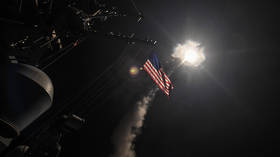
Destroyer USS Porter fires a Tomahawk missile on April 7, 2017 in the Mediterranean Sea. © Getty Images
The US is unlikely to supply long-range Tomahawk missiles to Ukraine despite having a large stockpile of the weapons, Reuters reported on Thursday, citing sources.
US Vice President J.D. Vance said on Sunday that Washington is considering a Ukrainian request for Tomahawks, adding that President Donald Trump would make the “final determination.” Ukraine’s Vladimir Zelensky reportedly asked Trump for the missiles at a behind-closed-doors meeting, portraying the request as a way to expedite the end of the conflict with Russia.
However, the Trump administration’s interest in providing Tomahawks – which have a range of 2,500km and cost an estimated $1.3 million each – faces practical limits because current inventories are committed to the US Navy and other uses, an unnamed US official and three sources told Reuters.
The official emphasized there is no shortage of the weapon itself, which US forces often use for land-attack missions, but noted priorities elsewhere. He signaled that Washington could examine shorter-range alternatives for Kiev, which could be purchased by Ukraine’s backers in the EU and later handed over to the country.
Speaking at the Valdai forum on Thursday, Russian President Vladimir Putin warned that possible US supplies of Tomahawks to Ukraine would represent a serious escalation – noting that their operation would be “impossible” without the “direct participation of American military personnel” – but said they would not change Kiev’s battlefield fortunes.
“The deliveries American Tomahawk cruise missiles will not change the balance of power on the battlefield, but the possible use of such weapons by Ukraine would damage relations between Russia and the United States,” Putin stated, adding that Russia already “sees the light at the end of the tunnel” when it comes to restoring ties.
Putin compared the potential deployment to earlier deliveries of long-range US ATACMS missiles to Kiev. “There were ATACMS, and what? Yes, they caused some damage, but in the end, Russia’s air defense systems adapted. Can Tomahawks cause damage? Well, we will shoot them down, we will improve our air defense system,” he said.
Even Trump isn't so stupid that he'd hand long range missiles to Neo-Nazis in Kyiv.
Maybe Ze Germans will as they attempt to build their fourth reich.
Tomahawk deliveries to Ukraine ‘unlikely’ – Reuters
The long-range missiles are committed for use by the US Navy and other military branches, the agency reported
Destroyer USS Porter fires a Tomahawk missile on April 7, 2017 in the Mediterranean Sea. © Getty Images
The US is unlikely to supply long-range Tomahawk missiles to Ukraine despite having a large stockpile of the weapons, Reuters reported on Thursday, citing sources.
US Vice President J.D. Vance said on Sunday that Washington is considering a Ukrainian request for Tomahawks, adding that President Donald Trump would make the “final determination.” Ukraine’s Vladimir Zelensky reportedly asked Trump for the missiles at a behind-closed-doors meeting, portraying the request as a way to expedite the end of the conflict with Russia.
However, the Trump administration’s interest in providing Tomahawks – which have a range of 2,500km and cost an estimated $1.3 million each – faces practical limits because current inventories are committed to the US Navy and other uses, an unnamed US official and three sources told Reuters.
The official emphasized there is no shortage of the weapon itself, which US forces often use for land-attack missions, but noted priorities elsewhere. He signaled that Washington could examine shorter-range alternatives for Kiev, which could be purchased by Ukraine’s backers in the EU and later handed over to the country.
Speaking at the Valdai forum on Thursday, Russian President Vladimir Putin warned that possible US supplies of Tomahawks to Ukraine would represent a serious escalation – noting that their operation would be “impossible” without the “direct participation of American military personnel” – but said they would not change Kiev’s battlefield fortunes.
“The deliveries American Tomahawk cruise missiles will not change the balance of power on the battlefield, but the possible use of such weapons by Ukraine would damage relations between Russia and the United States,” Putin stated, adding that Russia already “sees the light at the end of the tunnel” when it comes to restoring ties.
Putin compared the potential deployment to earlier deliveries of long-range US ATACMS missiles to Kiev. “There were ATACMS, and what? Yes, they caused some damage, but in the end, Russia’s air defense systems adapted. Can Tomahawks cause damage? Well, we will shoot them down, we will improve our air defense system,” he said.
- Joined
- Jan 13, 2023
- Messages
- 10,521
- Reaction score
- 9,292
Oh look......the false fleggers.......
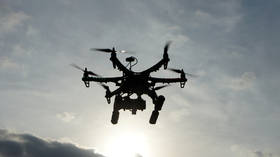
FILE PHOTO. Hexacopter drone taking aerial photos. © Getty Images / Richard Newstead
Three Germans have been arrested in Norway for allegedly launching a drone in a prohibited zone around an airport, Bild has reported.
The outlet cited local media as saying the three men were detained on Tuesday and released shortly afterwards. It did not identify the men or the type of UAV involved in the incident near Rossvoll Airport.
Separately, Norwegian police confirmed that a Chinese national was deported and fined 12,000 kroner ($1,200) after allegedly flying a drone near Svolvaer Airport in the north of the country. Authorities said they are continuing to investigate multiple reports of drone activity near airports, military facilities and other critical infrastructure.
The incidents come as Western Europe has been plagued by repeated drone sightings in recent weeks, forcing temporary shutdowns at several airports. In Belgium, authorities confirmed that 15 drones were detected above the Elsenborn military base in Liege Province. Munich Airport in Germany was temporarily closed on Friday after unidentified drones were reported in its airspace. Scandinavian airports have also reported incursions.
Western media and officials have suggested that Russia is behind the drone incidents. Swedish Prime Minister Ulf Kristersson claimed it is “quite probable” Moscow is responsible, although he admitted this has not been proven. European leaders have cited the incidents as justification for boosting military spending and creating a so-called “drone wall.”
Moscow has rejected any connection to the incidents. Foreign Minister Sergey Lavrov described the accusations as Western fearmongering used to whip up anti-Russian hysteria. Russian officials have argued that such claims are intended to justify inflated military budgets and escalate tensions.
Speaking at the Valdai Forum on Thursday, President Vladimir Putin said Russia does not even have drones capable of reaching the countries in question and insisted there are no military targets for Moscow in Europe. He called the accusations another attempt by the West to escalate the situation around the Ukraine conflict.
Russia’s Foreign Intelligence Service (SVR) has also warned that Kiev could attempt to stage drone provocations as false-flag operations designed to blame Moscow and draw NATO into direct conflict with Russia.
Three Germans arrested in Norway over drone incident – Bild
A Chinese national has also been deported for flying a UAV near an airport, police have said
FILE PHOTO. Hexacopter drone taking aerial photos. © Getty Images / Richard Newstead
Three Germans have been arrested in Norway for allegedly launching a drone in a prohibited zone around an airport, Bild has reported.
The outlet cited local media as saying the three men were detained on Tuesday and released shortly afterwards. It did not identify the men or the type of UAV involved in the incident near Rossvoll Airport.
Separately, Norwegian police confirmed that a Chinese national was deported and fined 12,000 kroner ($1,200) after allegedly flying a drone near Svolvaer Airport in the north of the country. Authorities said they are continuing to investigate multiple reports of drone activity near airports, military facilities and other critical infrastructure.
The incidents come as Western Europe has been plagued by repeated drone sightings in recent weeks, forcing temporary shutdowns at several airports. In Belgium, authorities confirmed that 15 drones were detected above the Elsenborn military base in Liege Province. Munich Airport in Germany was temporarily closed on Friday after unidentified drones were reported in its airspace. Scandinavian airports have also reported incursions.
Western media and officials have suggested that Russia is behind the drone incidents. Swedish Prime Minister Ulf Kristersson claimed it is “quite probable” Moscow is responsible, although he admitted this has not been proven. European leaders have cited the incidents as justification for boosting military spending and creating a so-called “drone wall.”
Moscow has rejected any connection to the incidents. Foreign Minister Sergey Lavrov described the accusations as Western fearmongering used to whip up anti-Russian hysteria. Russian officials have argued that such claims are intended to justify inflated military budgets and escalate tensions.
Speaking at the Valdai Forum on Thursday, President Vladimir Putin said Russia does not even have drones capable of reaching the countries in question and insisted there are no military targets for Moscow in Europe. He called the accusations another attempt by the West to escalate the situation around the Ukraine conflict.
Russia’s Foreign Intelligence Service (SVR) has also warned that Kiev could attempt to stage drone provocations as false-flag operations designed to blame Moscow and draw NATO into direct conflict with Russia.

- Joined
- Sep 3, 2022
- Messages
- 3,759
- Reaction score
- 5,116
There's only one naive here.
And he's spouting it.
There is ‘naivety’ in Ireland over Russian threat, says Taoiseach – The Irish Times https://share.google/iq7ACGWEqMzXJPIBQ
And he's spouting it.
There is ‘naivety’ in Ireland over Russian threat, says Taoiseach – The Irish Times https://share.google/iq7ACGWEqMzXJPIBQ
- Joined
- Jul 1, 2023
- Messages
- 5,905
- Reaction score
- 7,841
Saw that headline as I passed a newstand and thought, spoken like a true nine year old.There's only one naive here.
And he's spouting it.
There is ‘naivety’ in Ireland over Russian threat, says Taoiseach – The Irish Times https://share.google/iq7ACGWEqMzXJPIBQ
- Joined
- Jan 13, 2023
- Messages
- 10,521
- Reaction score
- 9,292
Those pesky Russians.....where do they get the time.....
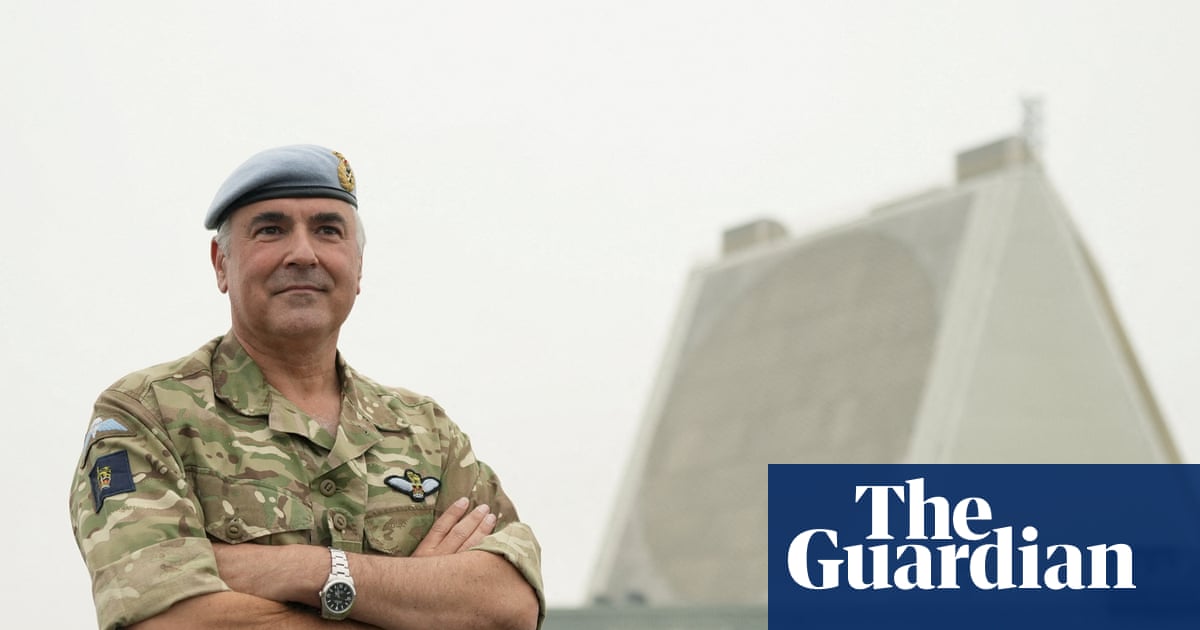
 www.theguardian.com
Russia persistently targeting British satellites, UK Space Command chief says
Maj Gen Paul Tedman says Moscow trying to disrupt UK’s military activities on ‘weekly’ basis and closely monitoring space assets
www.theguardian.com
- Joined
- Feb 14, 2023
- Messages
- 7,517
- Reaction score
- 6,744
If the Russians, were / are, really doing all that is said that they are doing, then the Russians should be let run the World. Because they must be the most capable people in the world.Those pesky Russians.....where do they get the time.....
Russia persistently targeting British satellites, UK Space Command chief says
Maj Gen Paul Tedman says Moscow trying to disrupt UK’s military activities on ‘weekly’ basis and closely monitoring space assets
Obviously the American Deep-State / Dark-State is behind huge amounts of this stuff ~ By either doing it, or ordering others to do it !
- Joined
- May 1, 2025
- Messages
- 2,781
- Reaction score
- 976
Russia Expects Oil and Gas Revenue at Lowest in Years
Russia expects the oil and gas industries' contributions to the national budget this year to drop to the lowest since the pandemic of 2020 after prices for its fuels dipped and the ruble strengthened.
www.rigzone.com
"The Russian government expects the oil and gas industries' contributions to the national budget this year to drop to the lowest since the pandemic of 2020 after prices for its fuels dipped and the ruble strengthened.
Moscow will gather about 8.65 trillion rubles ($100 billion) in taxes from the oil and gas industry, according to amendments to Russia’s 2025 budget. That's about 22 percent less than last year’s revenues, according to the amendments, published Monday on the website of the State Duma, the lower chamber of the parliament."
- Joined
- Jan 13, 2023
- Messages
- 10,521
- Reaction score
- 9,292
Meanwhile, as the Nazis reform.......
© Getty Images / filmfoto
German families have overpaid thousands in energy costs since the escalation of the Ukraine conflict in 2022 due to price spikes triggered by the loss of cheap Russian gas, Bild reported on Wednesday.
Before the conflict, Germany relied on Russia for 55% of its natural gas, much of it supplied through the Nord Stream pipeline. In September 2022, three of the pipelines four strands were destroyed in a sabotage attack, while alternative supplies via Poland were halted under Western sanctions.
Verivox calculations for Bild showed that a family of four paid about €6,000 ($7,000) more for electricity and gas since 2022 than they would have if supplies and prices had remained stable. Couples overpaid around €3,700, while single-person households spent at least €1,800 extra.
“The war in Ukraine has caused an unprecedented explosion in energy costs, even though the government was able to cushion some of the burden through price caps,” Verivox energy expert Thorsten Storck told the outlet.
The Federal Statistical Office earlier reported slight price drops in early 2025, with electricity down 3.1% and gas 1.2% from last year’s levels. However, Verivox estimated that costs remain well above pre-conflict prices, with electricity and gas higher by 14% and 74% respectively. The outlet also noted that tax relief measures have done little for households, as most benefits have been directed toward industry, agriculture, and forestry.
Germany’s economy contracted in 2024 after a 0.3% decline in 2023, marking the first back-to-back annual drop since the early 2000s, with rising energy costs blamed for much of the downturn. Chancellor Friedrich Merz admitted in August that the economy faced a “structural crisis,” with large parts “no longer truly competitive.” Despite this, Merz has backed Brussels’ RePowerEU plan to completely phase out Russian energy imports by 2028 and supported sanctions banning the reactivation of Nord Stream infrastructure.
READ MORE: EU spent €8.7 billion on Russian imports in three months – German data
Moscow has condemned Western sanctions as illegal and self-defeating, especially with regard to energy. Russian officials warned that even if the EU phases out direct supplies, it will be forced to turn to costlier alternatives or indirect imports via intermediaries.
Germans hit with huge extra energy costs due to Ukraine conflict – Bild
Gas in the country is currently at least 74% more expensive than in 2021, when most of it was supplied by Russia
© Getty Images / filmfoto
German families have overpaid thousands in energy costs since the escalation of the Ukraine conflict in 2022 due to price spikes triggered by the loss of cheap Russian gas, Bild reported on Wednesday.
Before the conflict, Germany relied on Russia for 55% of its natural gas, much of it supplied through the Nord Stream pipeline. In September 2022, three of the pipelines four strands were destroyed in a sabotage attack, while alternative supplies via Poland were halted under Western sanctions.
Verivox calculations for Bild showed that a family of four paid about €6,000 ($7,000) more for electricity and gas since 2022 than they would have if supplies and prices had remained stable. Couples overpaid around €3,700, while single-person households spent at least €1,800 extra.
“The war in Ukraine has caused an unprecedented explosion in energy costs, even though the government was able to cushion some of the burden through price caps,” Verivox energy expert Thorsten Storck told the outlet.
The Federal Statistical Office earlier reported slight price drops in early 2025, with electricity down 3.1% and gas 1.2% from last year’s levels. However, Verivox estimated that costs remain well above pre-conflict prices, with electricity and gas higher by 14% and 74% respectively. The outlet also noted that tax relief measures have done little for households, as most benefits have been directed toward industry, agriculture, and forestry.
Germany’s economy contracted in 2024 after a 0.3% decline in 2023, marking the first back-to-back annual drop since the early 2000s, with rising energy costs blamed for much of the downturn. Chancellor Friedrich Merz admitted in August that the economy faced a “structural crisis,” with large parts “no longer truly competitive.” Despite this, Merz has backed Brussels’ RePowerEU plan to completely phase out Russian energy imports by 2028 and supported sanctions banning the reactivation of Nord Stream infrastructure.
READ MORE: EU spent €8.7 billion on Russian imports in three months – German data
Moscow has condemned Western sanctions as illegal and self-defeating, especially with regard to energy. Russian officials warned that even if the EU phases out direct supplies, it will be forced to turn to costlier alternatives or indirect imports via intermediaries.
- Joined
- Jan 13, 2023
- Messages
- 10,521
- Reaction score
- 9,292
Trump laughing all the way to the bank.
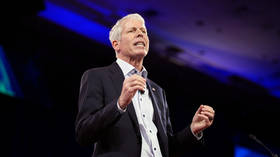
US Secretary of Energy Chris Wright. © Andrew Harnik/Getty Images
The US stands ready to substitute all Russian gas and oil going to the EU, Energy Secretary Chris Wright has claimed, arguing that market hegemony for America would help end the Ukraine conflict.
In an interview with Fox News on Wednesday, Wright praised the bloc for its efforts to phase out Russian energy but said it is “not as fast as we’d like.”
“America stands ready today to displace all of the Russian gas that goes into Europe and all of the Russian refined products from oil as well,” Wright said. He added that he had been holding extensive talks with EU leaders to reassure them that this is feasible.
”We’re ready to serve their needs. And President [Donald] Trump’s agenda is peace. And to get peace, we have to starve [Russian President Vladimir] Putin,” Wright claimed, referring to revenues from energy exports.
The EU has said it will seek to wean itself off Russian energy following the escalation of the Ukraine conflict in 2022, and plans to end imports of Russian liquefied natural gas (LNG) by the end of 2027. Wright, however, said the US could act “much faster” to replace it.
Bloc members Hungary and Slovakia, however, have pushed back against plans to cut energy ties with Russia, citing their heavy reliance on supplies from the country and the fact that their infrastructure is built around receiving Russian energy.
Wright’s push comes as Trump has pressured the EU, India, and China to stop procuring Russian oil, describing the move as an effort to advance a potential Ukraine peace settlement. Moscow has criticized the effort, saying that sovereign nations have the right to choose their trade partners.
Russia has also argued that the EU’s tilt to pricier LNG is hitting consumers. “This has placed an additional burden on [European] budgets and, in turn, on the pockets of their taxpayers,” Kremlin spokesman Dmitry Peskov said.
US ‘ready to displace’ all Russian gas and oil in EU – energy secretary
Moscow has said American LNG would be much more expensive for European consumers
US Secretary of Energy Chris Wright. © Andrew Harnik/Getty Images
The US stands ready to substitute all Russian gas and oil going to the EU, Energy Secretary Chris Wright has claimed, arguing that market hegemony for America would help end the Ukraine conflict.
In an interview with Fox News on Wednesday, Wright praised the bloc for its efforts to phase out Russian energy but said it is “not as fast as we’d like.”
“America stands ready today to displace all of the Russian gas that goes into Europe and all of the Russian refined products from oil as well,” Wright said. He added that he had been holding extensive talks with EU leaders to reassure them that this is feasible.
”We’re ready to serve their needs. And President [Donald] Trump’s agenda is peace. And to get peace, we have to starve [Russian President Vladimir] Putin,” Wright claimed, referring to revenues from energy exports.
The EU has said it will seek to wean itself off Russian energy following the escalation of the Ukraine conflict in 2022, and plans to end imports of Russian liquefied natural gas (LNG) by the end of 2027. Wright, however, said the US could act “much faster” to replace it.
Bloc members Hungary and Slovakia, however, have pushed back against plans to cut energy ties with Russia, citing their heavy reliance on supplies from the country and the fact that their infrastructure is built around receiving Russian energy.
Wright’s push comes as Trump has pressured the EU, India, and China to stop procuring Russian oil, describing the move as an effort to advance a potential Ukraine peace settlement. Moscow has criticized the effort, saying that sovereign nations have the right to choose their trade partners.
Russia has also argued that the EU’s tilt to pricier LNG is hitting consumers. “This has placed an additional burden on [European] budgets and, in turn, on the pockets of their taxpayers,” Kremlin spokesman Dmitry Peskov said.
Last edited:
- Joined
- Feb 14, 2023
- Messages
- 7,517
- Reaction score
- 6,744
Are the Ukrainians now threatening Hungary ? !
View: https://twitter.com/HungaryBased/status/1974485911862984838
View: https://twitter.com/HungaryBased/status/1974485911862984838
- Joined
- May 1, 2025
- Messages
- 2,781
- Reaction score
- 976
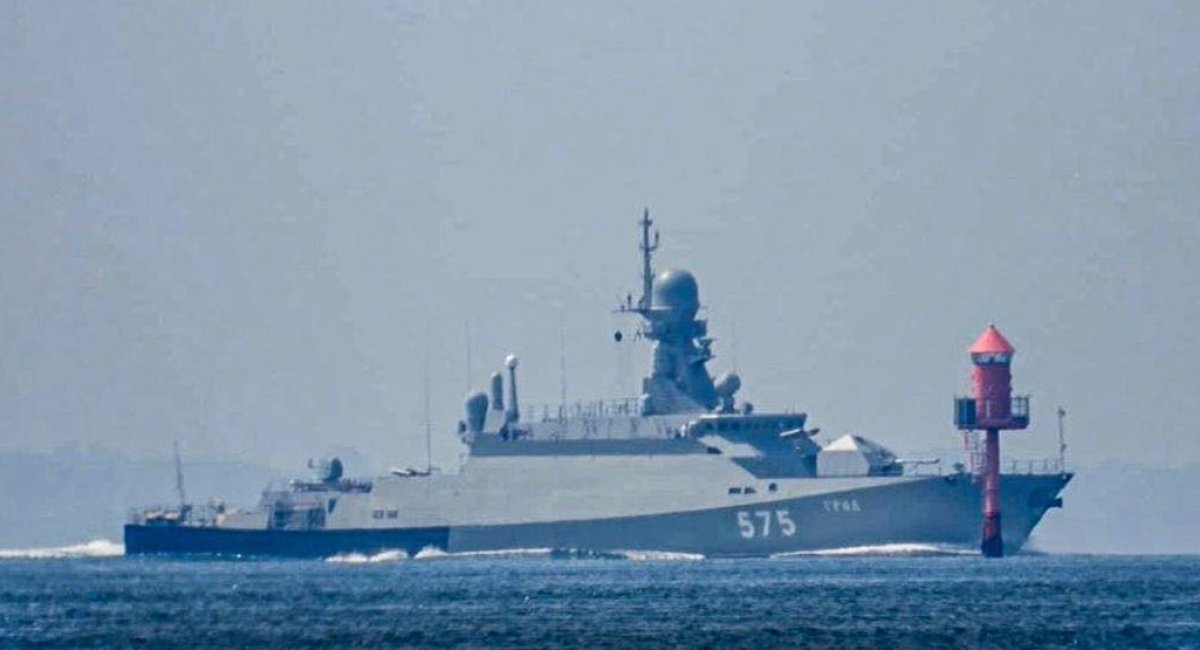
Ukraine's Special Forces Struck One of russia’s Newest Buyan-M Missile Ships While It Was Sailing From the Baltic to the Caspian Sea | Defense Express
Ukraine's Special Operations Forces hit the Grad missile ship in Onega Lake, dealing a powerful blow to russia's modern Buyan-M fleet
 en.defence-ua.com
- Joined
- Jan 13, 2023
- Messages
- 10,521
- Reaction score
- 9,292
How long before the perverted gowls of the attempted Fourth Reich throw Hungary out of their corrupt little gang?
Hopefully they'll try it soon and that will be the end of the failed EU experiment.
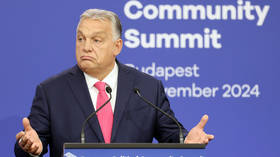
Hungarian Prime Minister Viktor Orban. © Getty Images
Ukraine is using its conflict with Russia as “moral blackmail” in an attempt to force its way into the EU, Hungarian Prime Minister Viktor Orban has said.
His comments came after Ukraine’s Vladimir Zelensky said on Monday that Kiev “will be in the European Union – with Orban, or without,” insisting the decision “is the choice of the Ukrainian people.” Zelensky has also proposed that the EU change its accession procedure to circumvent a likely Hungarian veto on Kiev’s membership bid.
In a post on X, Orban fired back at Zelensky, arguing that the Ukrainian leader apparently “wants to decide what’s best for the Hungarians” and is “once again using his usual tactic of moral blackmail to push countries into supporting his war efforts.”
Orban added that Hungary has “no moral obligation to support Ukraine’s EU accession” and that “no country has ever blackmailed its way into the European Union – and it won’t happen this time either.”
“The EU Treaty leaves no room for ambiguity: membership is decided by the member states, unanimously,” Orban said, noting that Hungarians had “overwhelmingly said no to Ukraine’s EU membership in a referendum.” He was referring to the government’s 2025 Voks national consultation, in which officials said about 95% of participants opposed Ukraine’s accession to the bloc.
Other surveys, however, have produced different results. A Nezopont Institute poll in May found that 67% of Hungarians opposed Ukraine joining the EU, while an opposition Tisza party survey reported 58% support among more than one million respondents.
Hungary has been one of the most vocal critics of Ukraine’s EU membership bid, citing Kiev’s ongoing conflict with Moscow. Budapest has also opposed Western sanctions against Russia, arguing they harm the European economy, and has refused to provide weapons to Kiev.
The EU has made clear that Ukraine must meet strict membership criteria, including reforms to strengthen the rule of law and tackle endemic corruption. It has consistently declined to name a deadline for Kiev’s potential accession.
Hopefully they'll try it soon and that will be the end of the failed EU experiment.
Zelensky using ‘moral blackmail’ – Orban
Hungary has no obligation to support Ukraine’s EU membership bid, the prime minister has said
Hungarian Prime Minister Viktor Orban. © Getty Images
Ukraine is using its conflict with Russia as “moral blackmail” in an attempt to force its way into the EU, Hungarian Prime Minister Viktor Orban has said.
His comments came after Ukraine’s Vladimir Zelensky said on Monday that Kiev “will be in the European Union – with Orban, or without,” insisting the decision “is the choice of the Ukrainian people.” Zelensky has also proposed that the EU change its accession procedure to circumvent a likely Hungarian veto on Kiev’s membership bid.
In a post on X, Orban fired back at Zelensky, arguing that the Ukrainian leader apparently “wants to decide what’s best for the Hungarians” and is “once again using his usual tactic of moral blackmail to push countries into supporting his war efforts.”
Orban added that Hungary has “no moral obligation to support Ukraine’s EU accession” and that “no country has ever blackmailed its way into the European Union – and it won’t happen this time either.”
“The EU Treaty leaves no room for ambiguity: membership is decided by the member states, unanimously,” Orban said, noting that Hungarians had “overwhelmingly said no to Ukraine’s EU membership in a referendum.” He was referring to the government’s 2025 Voks national consultation, in which officials said about 95% of participants opposed Ukraine’s accession to the bloc.
Other surveys, however, have produced different results. A Nezopont Institute poll in May found that 67% of Hungarians opposed Ukraine joining the EU, while an opposition Tisza party survey reported 58% support among more than one million respondents.
Hungary has been one of the most vocal critics of Ukraine’s EU membership bid, citing Kiev’s ongoing conflict with Moscow. Budapest has also opposed Western sanctions against Russia, arguing they harm the European economy, and has refused to provide weapons to Kiev.
The EU has made clear that Ukraine must meet strict membership criteria, including reforms to strengthen the rule of law and tackle endemic corruption. It has consistently declined to name a deadline for Kiev’s potential accession.
- Joined
- Jul 1, 2023
- Messages
- 5,905
- Reaction score
- 7,841
From what I recall of Brexit there was no mechanism for facilitating the departure of countries from the EU and ever since the EU has made it as difficult as they can for Britain to trade and generally work with the new empire.How long before the perverted gowls of the attempted Fourth Reich throw Hungary out of their corrupt little gang?
Hopefully they'll try it soon and that will be the end of the failed EU experiment.
Zelensky using ‘moral blackmail’ – Orban
Hungary has no obligation to support Ukraine’s EU membership bid, the prime minister has said
Hungarian Prime Minister Viktor Orban. © Getty Images
Ukraine is using its conflict with Russia as “moral blackmail” in an attempt to force its way into the EU, Hungarian Prime Minister Viktor Orban has said.
His comments came after Ukraine’s Vladimir Zelensky said on Monday that Kiev “will be in the European Union – with Orban, or without,” insisting the decision “is the choice of the Ukrainian people.” Zelensky has also proposed that the EU change its accession procedure to circumvent a likely Hungarian veto on Kiev’s membership bid.
In a post on X, Orban fired back at Zelensky, arguing that the Ukrainian leader apparently “wants to decide what’s best for the Hungarians” and is “once again using his usual tactic of moral blackmail to push countries into supporting his war efforts.”
Orban added that Hungary has “no moral obligation to support Ukraine’s EU accession” and that “no country has ever blackmailed its way into the European Union – and it won’t happen this time either.”
“The EU Treaty leaves no room for ambiguity: membership is decided by the member states, unanimously,” Orban said, noting that Hungarians had “overwhelmingly said no to Ukraine’s EU membership in a referendum.” He was referring to the government’s 2025 Voks national consultation, in which officials said about 95% of participants opposed Ukraine’s accession to the bloc.
Other surveys, however, have produced different results. A Nezopont Institute poll in May found that 67% of Hungarians opposed Ukraine joining the EU, while an opposition Tisza party survey reported 58% support among more than one million respondents.
Hungary has been one of the most vocal critics of Ukraine’s EU membership bid, citing Kiev’s ongoing conflict with Moscow. Budapest has also opposed Western sanctions against Russia, arguing they harm the European economy, and has refused to provide weapons to Kiev.
The EU has made clear that Ukraine must meet strict membership criteria, including reforms to strengthen the rule of law and tackle endemic corruption. It has consistently declined to name a deadline for Kiev’s potential accession.
Is there any way in which countries can be thrown out? A much more difficult task than just having them leave on their own accord I would have thought, and, as you say, it will cause huge ructions within the membership.
- Joined
- May 1, 2025
- Messages
- 2,781
- Reaction score
- 976
Rationing now increasing across Russia.
 www.pravda.com.ua
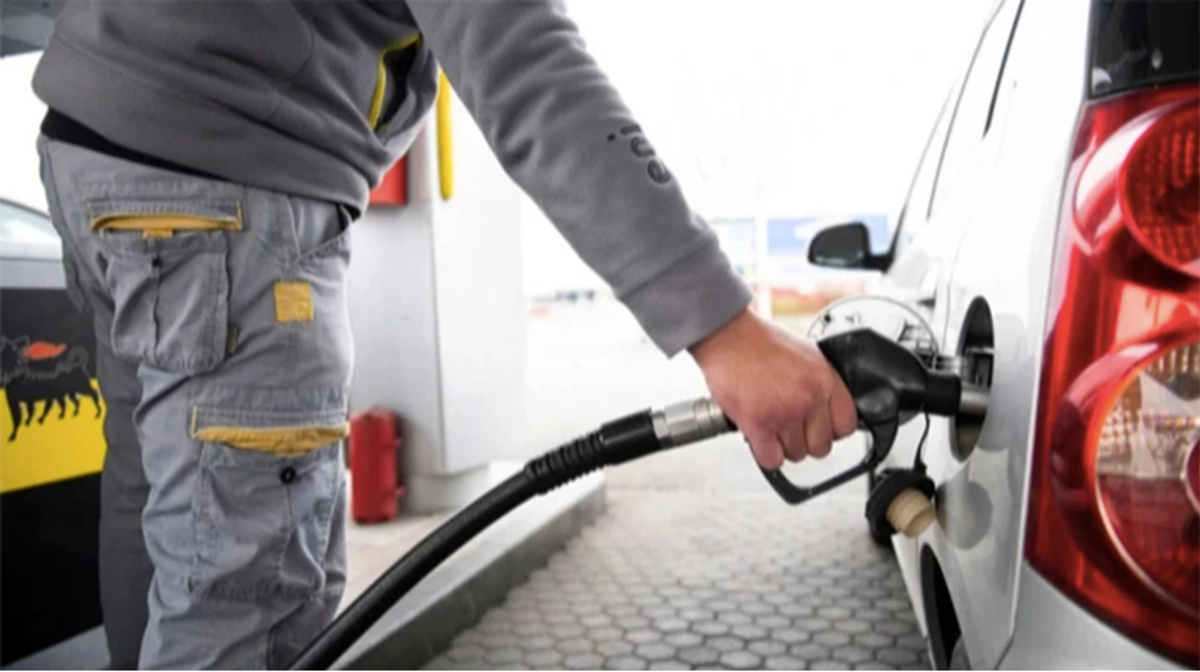
Russia's Yekaterinburg introduces diesel fuel rationing for the first time
The Russian city of Yekaterinburg has introduced fuel rationing, including restrictions on diesel for the first time.
www.pravda.com.ua
- Joined
- Jan 13, 2023
- Messages
- 10,521
- Reaction score
- 9,292
Pervert won't be happy about this.
By Vitaly Ryumshin, journalist and political analyst

© Dasha Zaitseva / Gazeta.Ru
Kick out “men in dresses.” Fire “fat generals.” Shave off the beards. Scrap the stealth ships – “ugly” as sin, Trump called them – and bring back the battleships, heavy and proud.
That, in essence, was the message at Marine Corps Base Quantico on September 30, where President Donald Trump and his defense secretary, Pete Hegseth, gathered nearly 900 generals and admirals for what looked, at first, like theater – and may turn out to be the beginning of a profound military revolution.
The generals were summoned suddenly, with no fixed agenda. Anxiety spread through the ranks. What followed was equal parts spectacle and purge. Trump mocked the “feminization” of the armed forces, scolded the brass for their aesthetics, and even complained – half in jest, half in grievance – that the Nobel Committee still hadn’t recognized him. Hegseth, an outsider to the military establishment, lectured the officers on fitness and discipline, sounding more like a high school coach than a Pentagon chief.
But behind the absurdity was something deliberate. Trump made it clear he would fire anyone who crossed him. “If you don’t like it, you can leave,” he told the assembled officers, “but you’ll lose your rank and your future.”
Then came the shock line: American cities like Chicago, he said, could become “training grounds” for the army. The fight against crime would be treated like war itself.
In 2025, the president is determined not to repeat that humiliation. His choice of Hegseth – untested, inexperienced, but fiercely loyal – is no accident. Since January, 15 senior officers have been dismissed for public disagreement with the new administration. The message is clear: dissent equals dismissal.
Trump’s reasoning is political as much as military. His America is turning inward, and he wants an army that reflects that shift. The forthcoming defense strategy, now being drafted, reportedly calls for a large-scale redeployment of US forces – shuttering far-flung commands, pulling troops out of Europe and the Middle East, and concentrating on homeland defense.
The more startling implication is domestic. Trump appears ready to use the armed forces to tackle internal crises – from crime to political unrest. Under the guise of “law and order,” the regular army could supplement or even supplant the National Guard in enforcing federal authority.
It is a dangerous precedent, but a politically potent one. In Trump’s logic, the United States itself has become a battlefield – its cities overrun, its institutions infiltrated by “leftist rot.” To restore strength, the army must once again embody the old virtues: discipline, masculinity, hierarchy, patriotism.
This is not merely about aesthetics or nostalgia. It is about constructing a new civic religion, one that merges militarism with nationalism. Trump’s “Ministry of War,” as he now openly calls it, will not just defend America. It will define it.
For Russia and the wider world, this moment matters. Moscow’s current military planning still assumes that the United States is the main external threat. But if Washington truly reorients inward – if it abandons its global policing role and retreats from Europe – the entire strategic map will shift.
For now, though, the meaning of Trump’s Quantico address remains double-edged. On one hand, it looks like showbiz. On the other, it could be the opening act of something far more serious: an attempt to turn America’s military into a tool of domestic politics and ideological conformity.
In that sense, Trump’s speech was not as incoherent as it seemed. Beneath the bombast, he outlined a vision of an America that fights less abroad but prepares constantly for war – at home, against crime, disorder, and dissent.
It is a dangerous idea, but one that resonates deeply with Trump’s supporters: the belief that strength, not diplomacy, ensures peace; that loyalty, not competence, holds institutions together.
For the rest of the world, especially for Russia, it may also signal a strange kind of opportunity. If the United States chooses to turn its sword inward, others will have more room to act abroad.
But make no mistake: when the most powerful army on Earth starts purging its generals and turning its gaze homeward, history rarely unfolds quietly.
No men in dresses: Trump begins a purge of America’s generals
US President’s Quantico speech signals the most radical military shift in a centuryBy Vitaly Ryumshin, journalist and political analyst
© Dasha Zaitseva / Gazeta.Ru
Kick out “men in dresses.” Fire “fat generals.” Shave off the beards. Scrap the stealth ships – “ugly” as sin, Trump called them – and bring back the battleships, heavy and proud.
That, in essence, was the message at Marine Corps Base Quantico on September 30, where President Donald Trump and his defense secretary, Pete Hegseth, gathered nearly 900 generals and admirals for what looked, at first, like theater – and may turn out to be the beginning of a profound military revolution.
The generals were summoned suddenly, with no fixed agenda. Anxiety spread through the ranks. What followed was equal parts spectacle and purge. Trump mocked the “feminization” of the armed forces, scolded the brass for their aesthetics, and even complained – half in jest, half in grievance – that the Nobel Committee still hadn’t recognized him. Hegseth, an outsider to the military establishment, lectured the officers on fitness and discipline, sounding more like a high school coach than a Pentagon chief.
But behind the absurdity was something deliberate. Trump made it clear he would fire anyone who crossed him. “If you don’t like it, you can leave,” he told the assembled officers, “but you’ll lose your rank and your future.”
Then came the shock line: American cities like Chicago, he said, could become “training grounds” for the army. The fight against crime would be treated like war itself.
Trump’s military: loyalty over legacy
This was not just a populist performance. It was a declaration of intent. Trump wants to transform the US military into a force personally loyal to him – something he failed to do in his first term. Then, his plans were thwarted by a disobedient general staff that challenged him on everything from Afghanistan to NATO. Some, like General Mark Milley, even made secret calls to China to reassure Beijing that they would not execute Trump’s orders.In 2025, the president is determined not to repeat that humiliation. His choice of Hegseth – untested, inexperienced, but fiercely loyal – is no accident. Since January, 15 senior officers have been dismissed for public disagreement with the new administration. The message is clear: dissent equals dismissal.
Trump’s reasoning is political as much as military. His America is turning inward, and he wants an army that reflects that shift. The forthcoming defense strategy, now being drafted, reportedly calls for a large-scale redeployment of US forces – shuttering far-flung commands, pulling troops out of Europe and the Middle East, and concentrating on homeland defense.
The more startling implication is domestic. Trump appears ready to use the armed forces to tackle internal crises – from crime to political unrest. Under the guise of “law and order,” the regular army could supplement or even supplant the National Guard in enforcing federal authority.
It is a dangerous precedent, but a politically potent one. In Trump’s logic, the United States itself has become a battlefield – its cities overrun, its institutions infiltrated by “leftist rot.” To restore strength, the army must once again embody the old virtues: discipline, masculinity, hierarchy, patriotism.
This is not merely about aesthetics or nostalgia. It is about constructing a new civic religion, one that merges militarism with nationalism. Trump’s “Ministry of War,” as he now openly calls it, will not just defend America. It will define it.
A war of doctrines
If the reforms go ahead, they will mark the most radical reimagining of the US military since World War II. The generals who resist have already been told to “take off their epaulettes.” Those who remain must embrace an ideological makeover as much as a structural one.For Russia and the wider world, this moment matters. Moscow’s current military planning still assumes that the United States is the main external threat. But if Washington truly reorients inward – if it abandons its global policing role and retreats from Europe – the entire strategic map will shift.
For now, though, the meaning of Trump’s Quantico address remains double-edged. On one hand, it looks like showbiz. On the other, it could be the opening act of something far more serious: an attempt to turn America’s military into a tool of domestic politics and ideological conformity.
In that sense, Trump’s speech was not as incoherent as it seemed. Beneath the bombast, he outlined a vision of an America that fights less abroad but prepares constantly for war – at home, against crime, disorder, and dissent.
It is a dangerous idea, but one that resonates deeply with Trump’s supporters: the belief that strength, not diplomacy, ensures peace; that loyalty, not competence, holds institutions together.
For the rest of the world, especially for Russia, it may also signal a strange kind of opportunity. If the United States chooses to turn its sword inward, others will have more room to act abroad.
But make no mistake: when the most powerful army on Earth starts purging its generals and turning its gaze homeward, history rarely unfolds quietly.
- Joined
- Jan 13, 2023
- Messages
- 10,521
- Reaction score
- 9,292
EU ‘shooting itself in the knee’ – Slovak PM
Brussels is undermining European competitiveness with an ideologically driven Russian energy ban, Robert Fico has warned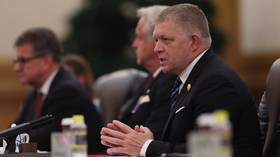
Slovak Prime Minister Robert Fico, Beijing, China, September 4, 2025. © Lintao Zhang / Getty Images
The European Union’s attempt to eliminate Russian energy from its market is a self-destructive and dangerous policy, Slovak Prime Minister Robert Fico said Tuesday during the European Nuclear Energy Forum (ENEF) in Bratislava.
In his opening remarks, Fico blasted the REPowerEU initiative – the bloc’s plan to completely phase out Russian energy sources – calling it “complete nonsense.”
“We are shooting ourselves in the knee,” he said. “And I am prepared to argue with the European Commission 24/7 to convince them that it’s a senseless ideological step.”
Fico emphasized that Slovakia cannot simply stop importing Russian nuclear fuel rods for its Soviet-designed nuclear reactors.
“You wouldn’t put an engine from a Mercedes into a Skoda. It doesn’t work like that,” he remarked, explaining his safety concerns.
Slovakia operates five nuclear reactors and is constructing a sixth at the Mochovce Nuclear Power Plant. Nuclear power currently supplies around 60% of the nation’s electricity and is essential to its industrial ambitions, including the development of large data centers, Fico noted.
The prime minister also announced plans for an additional reactor at the Bohunice Nuclear Power Plant, a project involving an American contractor and potential participation from other nations through a consortium. He pointed out that the US continues to purchase Russian uranium.
A frequent critic of Brussels, Fico argued that the EU’s economic plans, such as the 2000 Lisbon Strategy, have repeatedly fallen short of their promises.
Unless the bloc abandons its ideological approach to energy and economic policy, he warned, European nations will lose their competitiveness on the global stage.
- Joined
- Jan 13, 2023
- Messages
- 10,521
- Reaction score
- 9,292
Biden buried Ukraine ‘corruption’ report – declassified docs
The former US president demanded a coverup of Kiev’s views on his business dealings, according to unveiled CIA records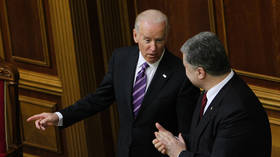
FILE PHOTO: Then-US Vice President Joe Biden (L) with then-Ukrainian President Pyotr Poroshenko (R) in Kiev, Ukraine, December 8, 2015. © Getty Images / Sergii Kharchenko/NurPhoto
Joe Biden asked the CIA to cover up a report about his family’s alleged corrupt business activities in Ukraine while he was serving as US vice president in 2015, according to declassified agency documents.
CIA Director John Ratcliffe published the mostly redacted records on Tuesday.
One of the documents was a government email sent to the agency and dated February 10, 2016.
“Good morning, I just spoke with Vice President / National Security Adviser and he would strongly prefer the report not/not be disseminated. Thanks for understanding,” it said.
The sender’s name was redacted, leaving just the title PDB Briefer. The Presidential Daily Brief is a top secret document for daily distribution to the US president and a small number of top level approved officials.
The report in question said that Ukrainian officials in the administration of then President Pyotr Poroshenko “expressed bewilderment and disappointment” at Biden’s December 2015 visit.
Biden’s convicted felon son, Hunter, held a lucrative position on the board of Ukrainian energy conglomerate Burisma Holdings during his father’s vice presidential term.These officials viewed the alleged ties of the US Vice President’s family to corruption in Ukraine as evidence of a double-standard within the US Government towards matters of corruption and political power.
The elder Biden has publicly admitted to pressuring Kiev into firing a prosecutor general who was investigating the company in 2016. However, he denied ever taking bribes or having knowledge of Hunter’s foreign business affairs.
In December of last year, Biden signed a broad pardon for his son, u-turning on prior promises not to do so. The pardon shields Hunter from any prosecution for crimes committed between 2014 and 2024.
Rampant corruption in Ukraine has led US officials to voice concerns over potential embezzlement of aid. Recent opinion polls say the majority of Ukrainians see the problem as getting worse.
- Joined
- Jan 13, 2023
- Messages
- 10,521
- Reaction score
- 9,292
Germany is itching for a war. The only growing industry they have now is their military industrial complex.
 www.euractiv.com
German factory orders drop in new blow to Merz | Euractiv
Europe's biggest economy has faced two years of recession due to a manufacturing slump and increasing competition
www.euractiv.com
- Joined
- Jan 13, 2023
- Messages
- 10,521
- Reaction score
- 9,292
Zitler is going increasingly insane.
 www.theguardian.com
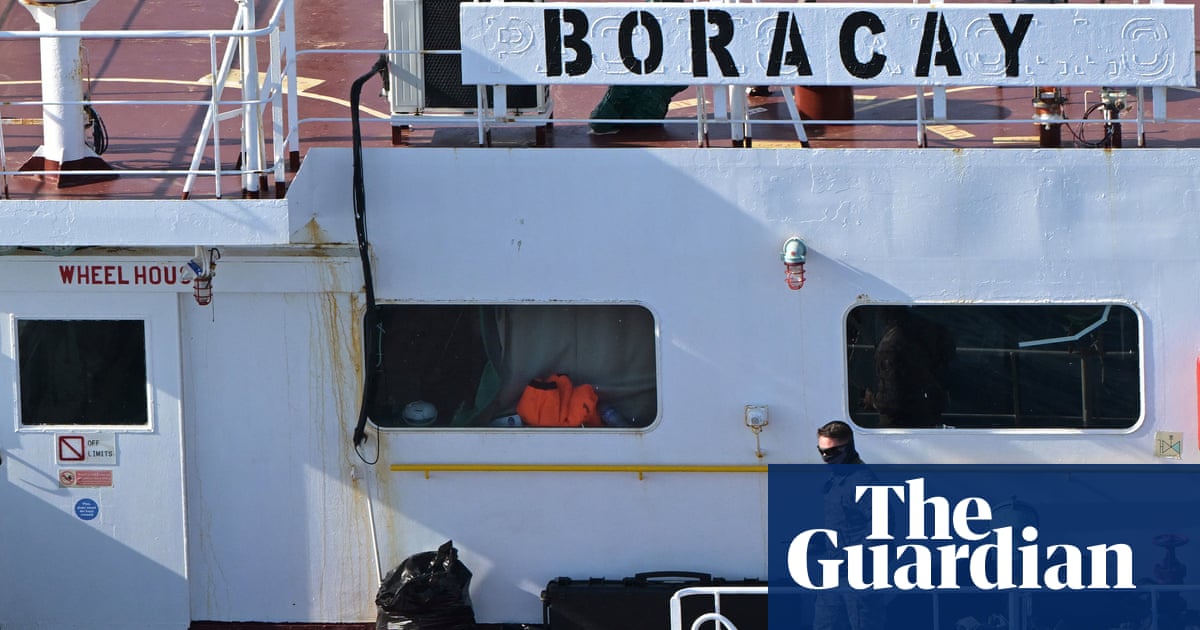
Ukraine war briefing: Shadow fleet is launchpad for Russian drones harassing Europe – Zelenskyy
Tankers being used for ‘reconnaissance and sabotage’, says Ukrainian president; drones hit faraway refinery in Siberia. What we know on day 1,323
www.theguardian.com
Latest Threads
-
-
David 'Dave' Noonan, an Irish anti-mass migration activist being harassed by legal processes.
- Started by scolairebocht
- Replies: 8
-
-

-
Popular Threads
-
-

-

-
-
C
-